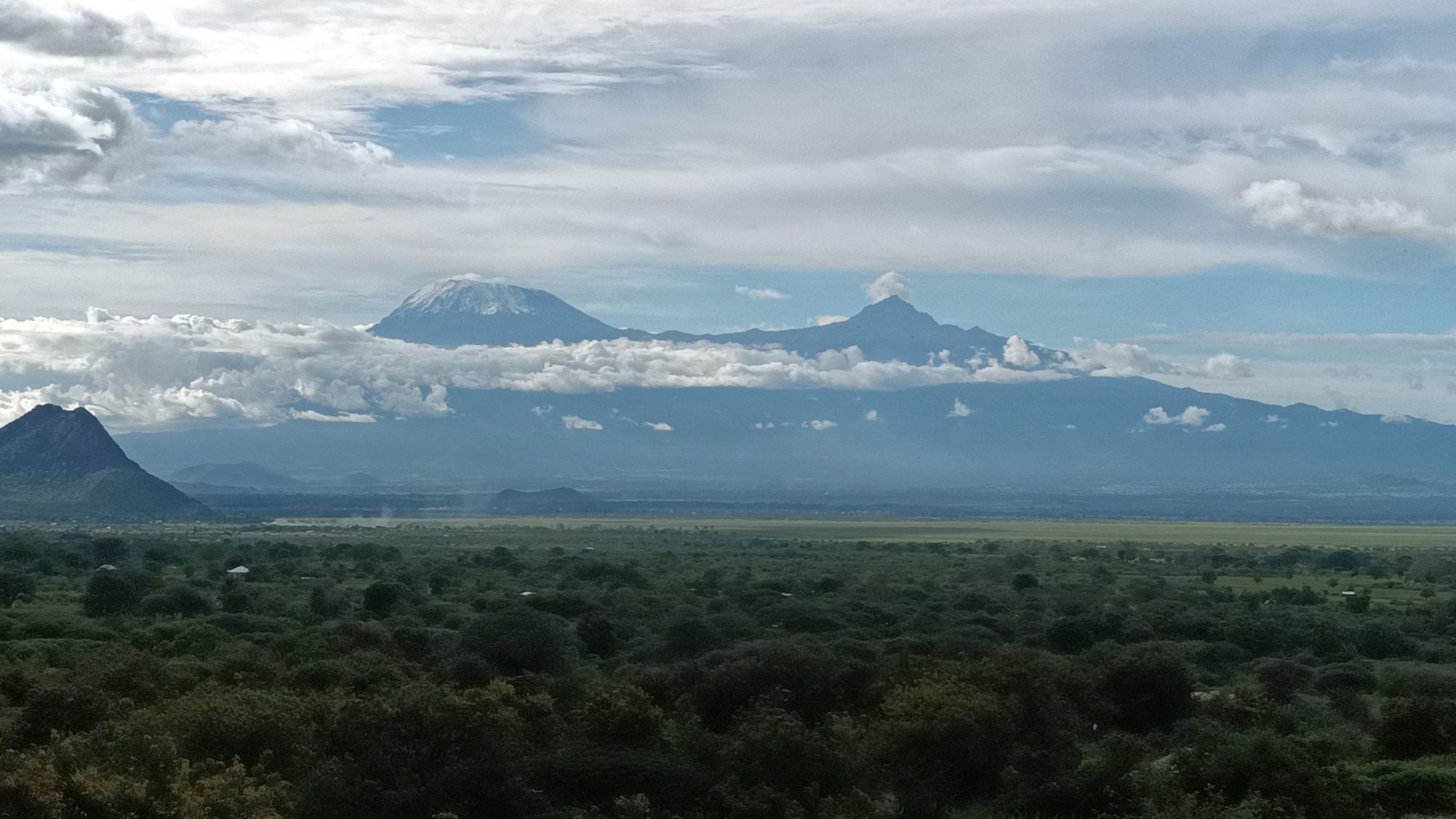
Founded 2004 · Mwanga · Kilimanjaro
Learn to open the Bible. Learn to care for the sick. At Kilimanjaro.
Six months here and you go home able to do both — in your own language, in your own villages.
Our mission
We train Swahili-speaking believers to teach the Bible and to care for the sick, then send them back to their own villages to do both.
First you learn to follow Jesus. Everything else here rests on that: the Scriptures are taught to be lived out in everyday life, not only known.
Come if you want to know God, to serve Him and His church with your whole heart, and to give six months to His word.
“I am the Root and the Offspring of David, the bright and morning star.” Revelation 22:16
Academics
What you will study
Utakachojifunza
Six months in total. Your health month and your outreach weeks sit inside the Bible course, not alongside it. You learn it here and you practise it here.
Six months · residential
Bible & Evangelism
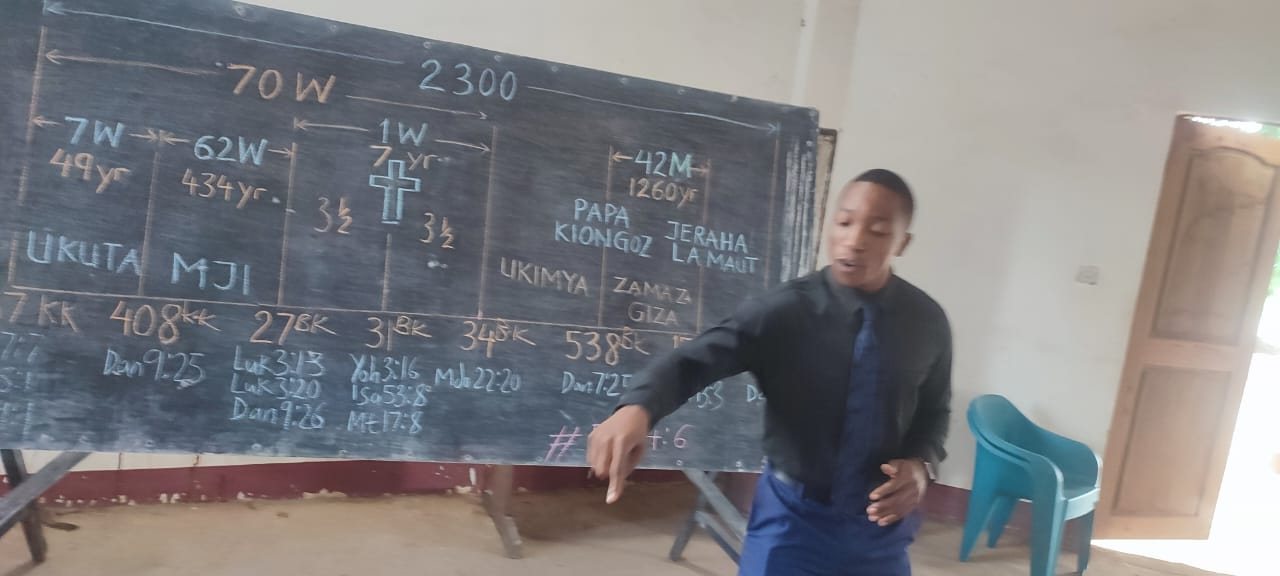
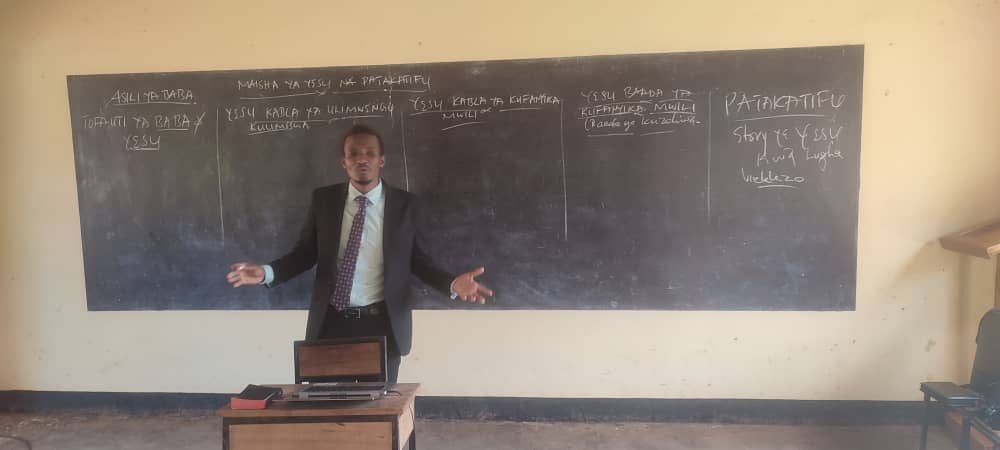
You study the Scriptures as one connected message, and you preach from the early weeks.
One month
NURU
Health evangelism on the LIGHT curriculum: caring for the illnesses you will actually meet, natural remedies, nutrition and cooking, and running a health programme in a village church.
Three weeks
Village Outreach
Bible studies in homes, health outreach and practical community work across the villages of the valley.
What you study
Bible and preaching
Health and land
Health evangelism
NURU
NURU — mwanga kwa mwili na roho
Nyota ya Ufundishaji wa Rehema na Uponyaji, nuru ya ulimwenguStar of a training in mercy and healing, the light of the world
“Ye are the light of the world. A city that is set on an hill cannot be hid.”Matthew 5:14 · KJV
There are dispensaries in the villages, but the nearest hospital is over forty miles away and there is no public transport for an emergency. That is why a Bible school here teaches health.
Most Bible school graduates arrive at a door with nothing in their hands. You will arrive able to take a blood pressure, give a simple treatment, teach a family how to cook for a diabetic parent — and then open the Bible.
NyotaStar is part of LIGHT, the Lay Institute for Global Health Training, a network of health evangelism training schools. The NURU month is part of the one certificate the school awards. The training supports medical care and does not replace it: you are taught to recognise what needs a clinic, and to send people there.
Land & self-support
What grows here
Kilimo na kujitegemea
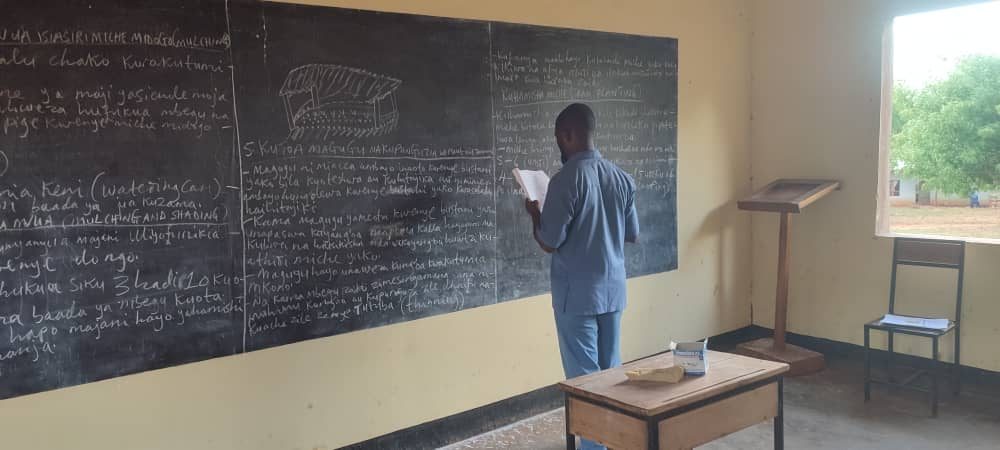
Health evangelism starts with food. You learn to raise seedlings, mulch, water and plant — and the school's own fields feed the kitchen.
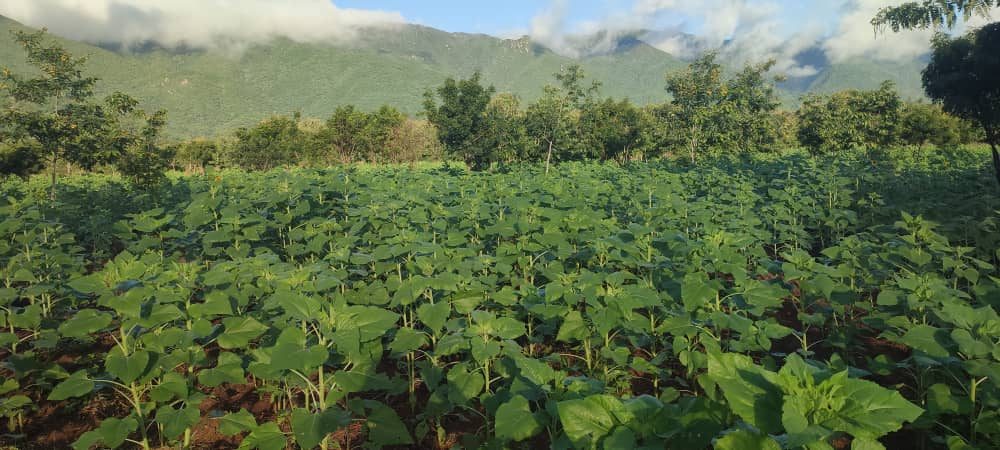
The fields carry sunflowers and maize, and what they produce feeds you. The fields do not carry the school, but they carry the kitchen.
Campus tour
See where you would live and study
Maisha ya chuoni
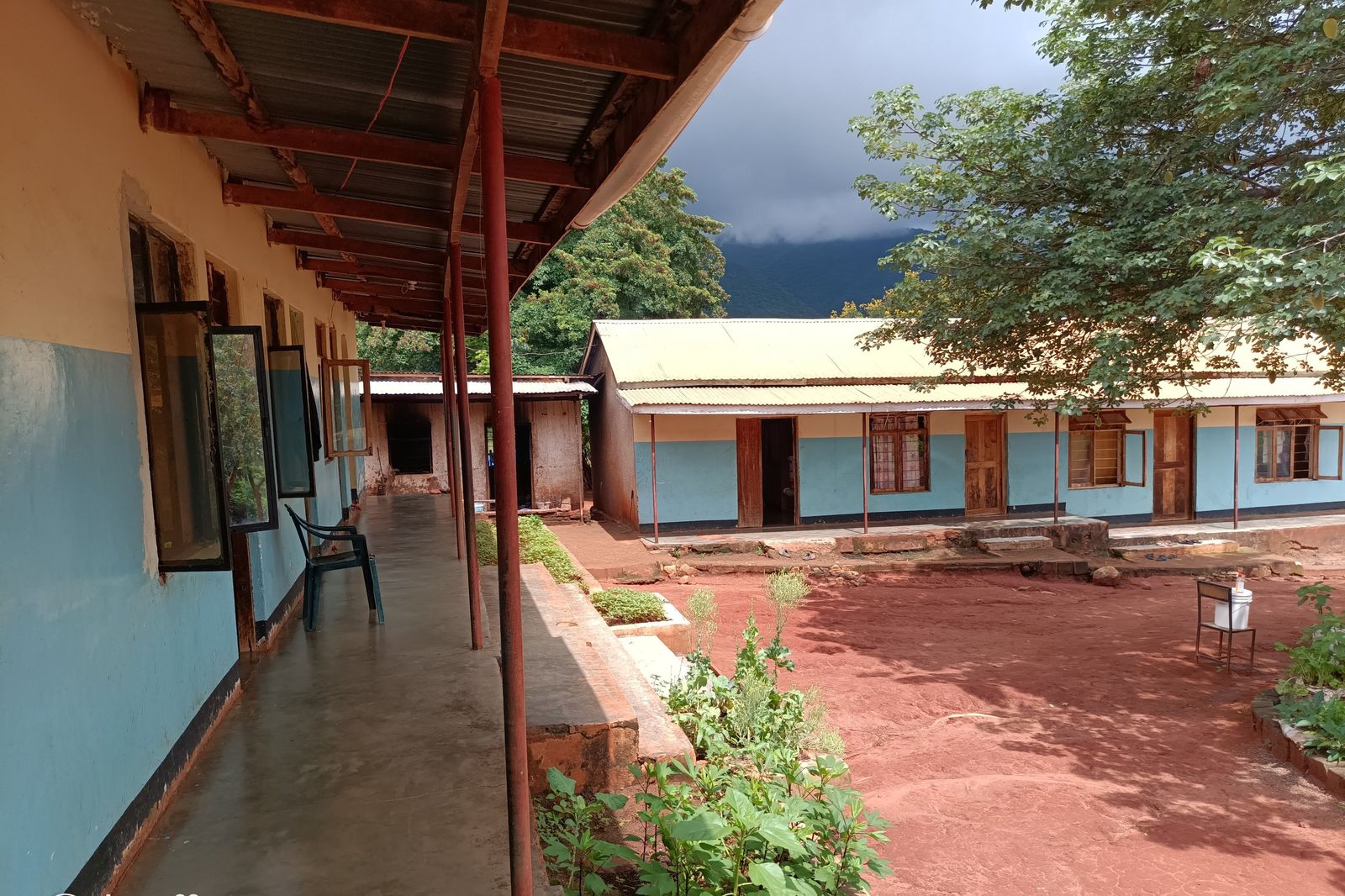
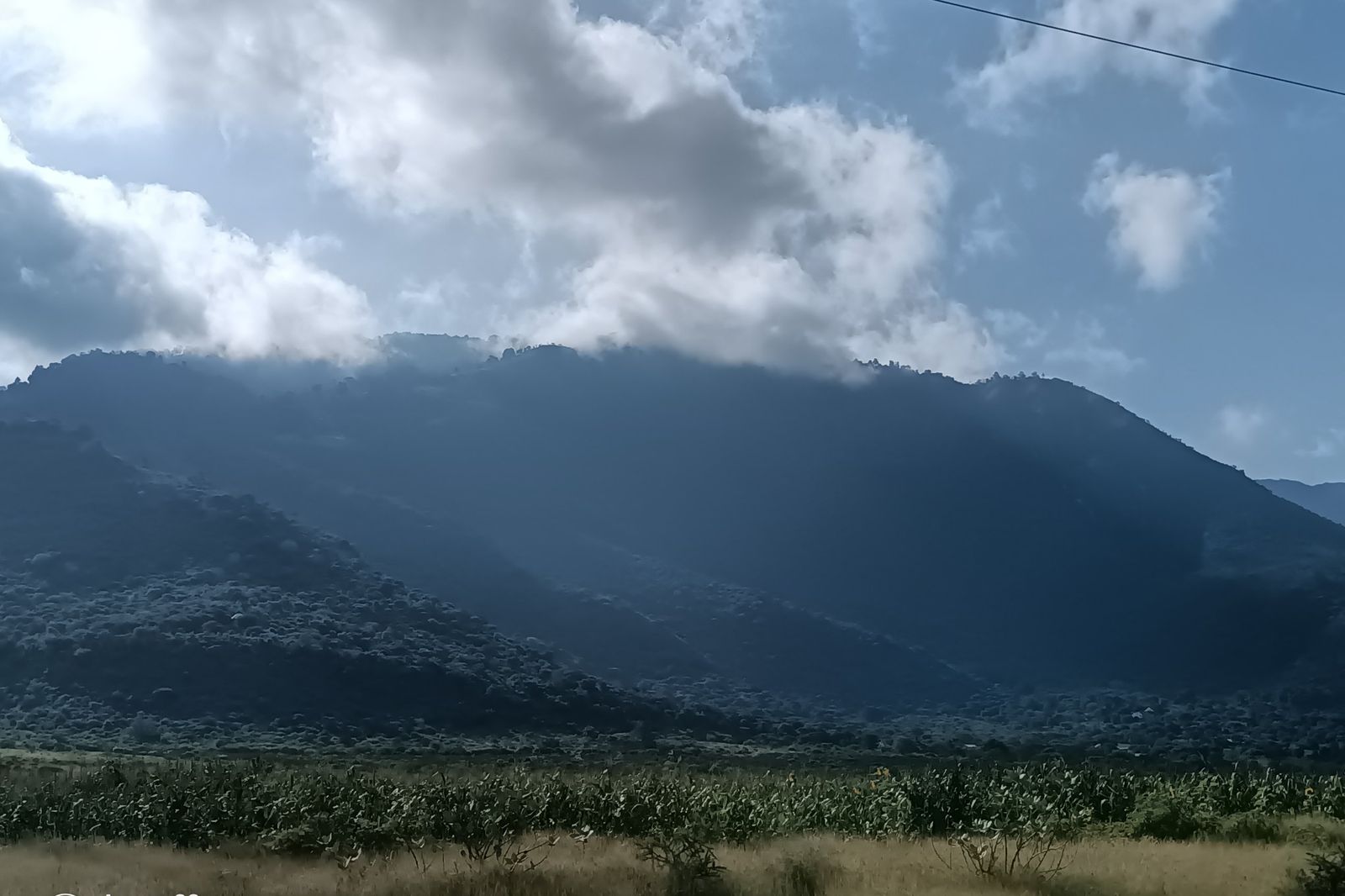
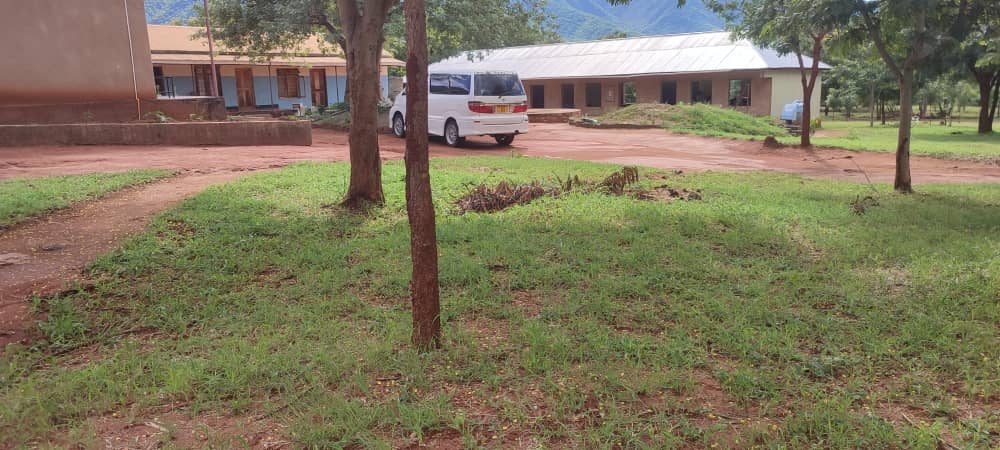
You probably cannot visit before you apply, so here is the place itself.
Accommodation
Men and women sleep in separate buildings. The school provides a bed and mattress, a mosquito net, a blanket and sheets.
Meals
The school keeps a vegetarian diet — no meat or fish, with eggs and milk. Students cook by rota: cooking is part of the NURU health training, and the fields feed the kitchen.
Worship & Sabbath
Morning and evening worship every day. The Sabbath runs from sunset on Friday to sunset on Saturday — in Ugweno the sun sets at about half past six all year round. Some Sabbaths you worship at the school, others in the village churches nearby.
A day here
The bell sets the day. Classes run Monday to Thursday and on Friday morning.
- 5:30
- Rise, personal devotion
- 6:30
- Morning worship together
- 7:00
- Breakfast
- 8:00
- Classes
- 12:30
- Midday meal and rest
- 14:00
- Work on the land and around the school
- 17:00
- Free time, washing
- 18:30
- Supper
- 19:00
- Evening worship
- 19:45
- Study, assignments, preaching practice
- 21:30
- Lights out
Friday afternoon is for preparing for the Sabbath. Sunday is for rest: washing clothes, study, free time and family visits.
Student body
Who studies here
Wanafunzi wetu
Men and women, young and young at heart, from the churches of this region and beyond.
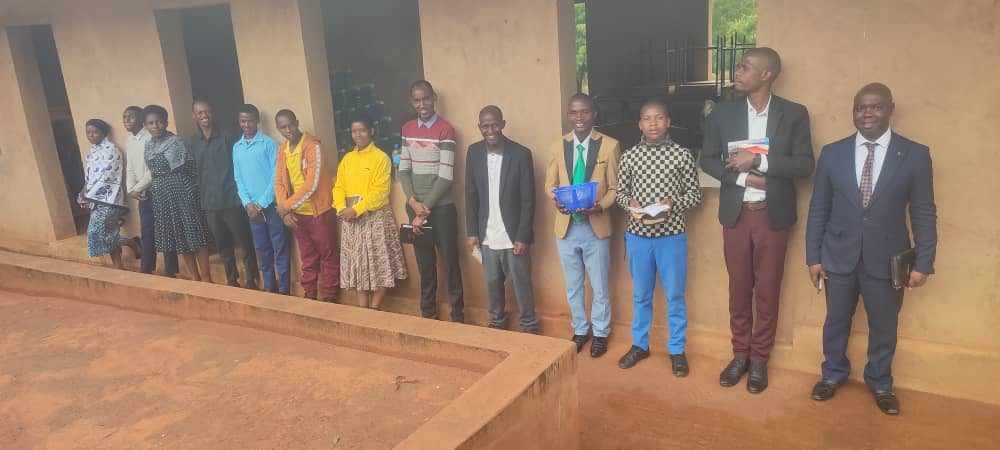
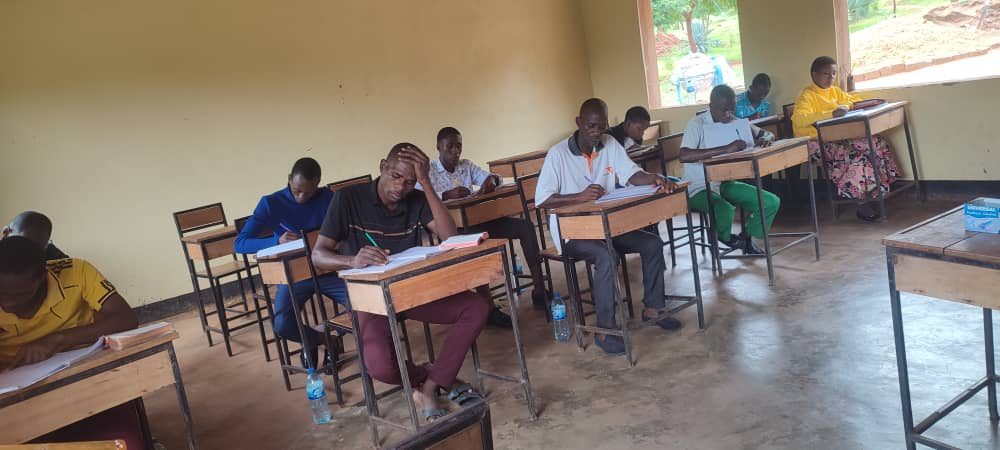
They come from the churches of this valley, from across the Kilimanjaro region, and from further away.
Faculty
Who teaches here
Walimu wetu
You will be taught by people who do this work themselves, not only talk about it.
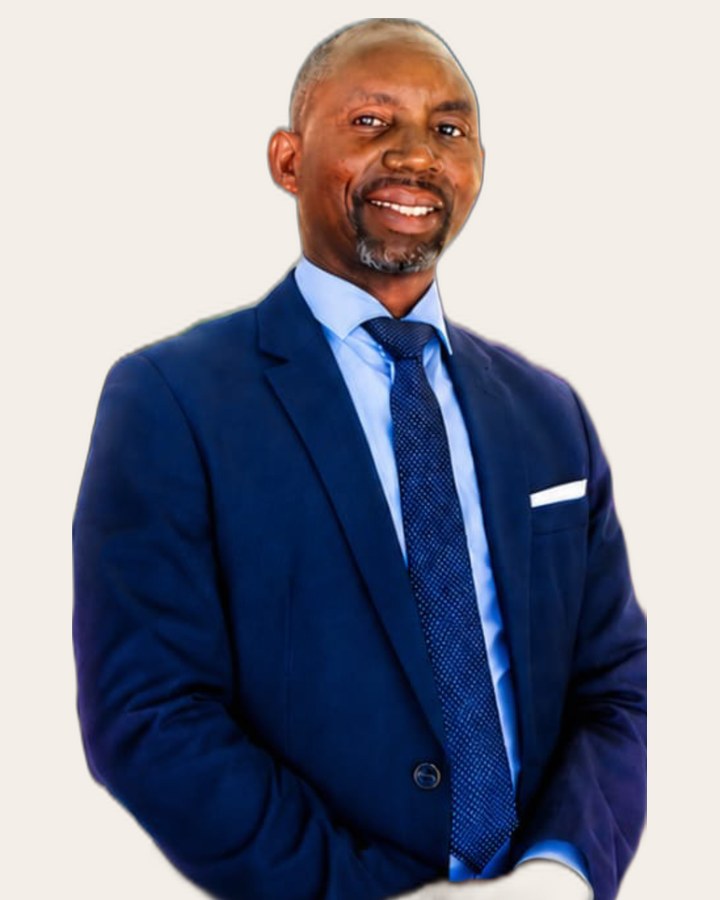
Leads the school and teaches through the six months.
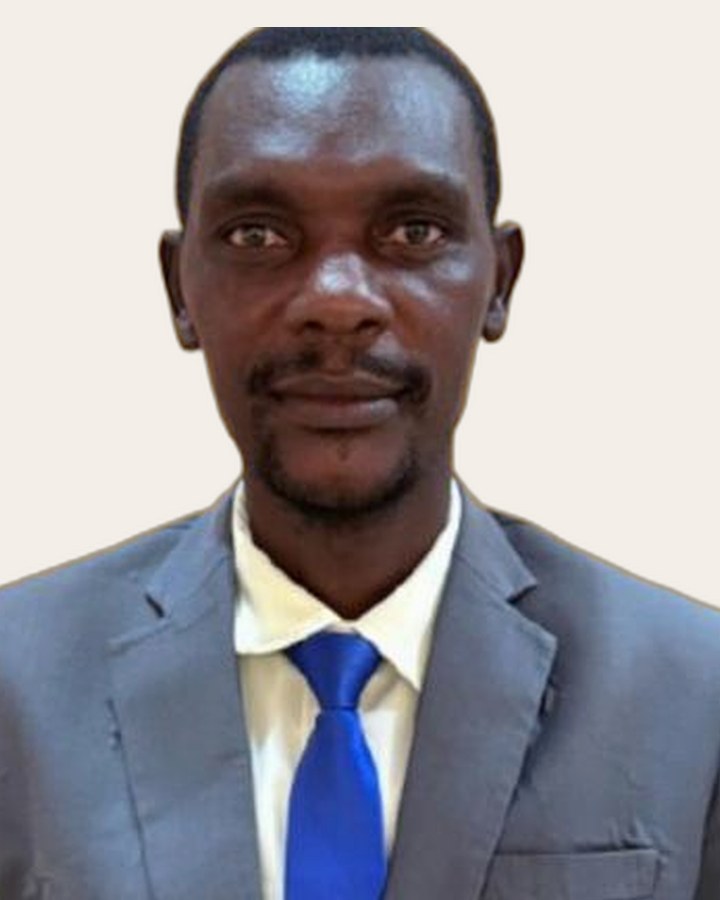
Heads the LIFE evangelism college at Liwale. He teaches character, leadership and health here, among other subjects.
Some of those who come back to teach sat in these classrooms themselves. That is the point of the six months: you are taught by people the school sent out, who returned.
Service
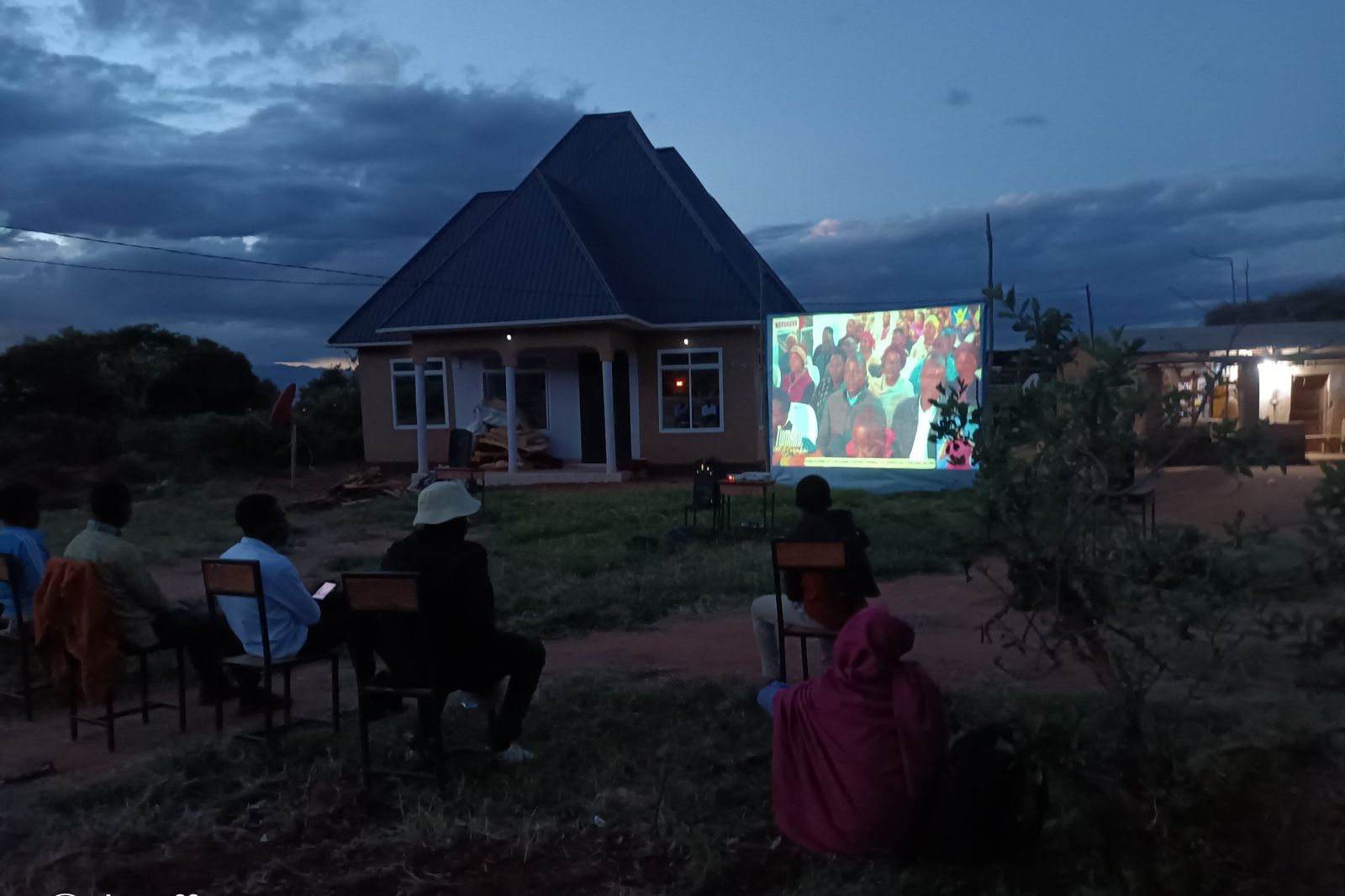
Outreach in the valley
Huduma kwa jamii
Mama Elvida grew up in these mountains. Her father kept an open house: anyone who came was fed, and nobody was sent away.
She left to train as a nurse and spent her working life at it. When she retired she came back to the valley she had known as a child, and found the poverty still the same. She and her husband Victor decided they were not going to leave it there.
It started with school uniforms, bought for children whose own were in rags. Everything since has followed from that: a centre caring for orphaned children and widows, and now a school that trains others to do the same work.
In the years after, a congregation in England paid for a borehole — a pump, a storage tank and five outdoor taps. The valley no longer depends on a government tap that is out of use for weeks at a time.
The work is now carried by people she chose and trusts.
Afterwards
What you do with it
Baada ya kuhitimu
The course is six months. What follows is the point of it.
In your own church
Give Bible studies, run a health programme, teach a cooking class, visit the sick. Most graduates go home and do exactly this.
As a Bible worker
Some go on to full-time Bible work or lay pastoral ministry, in this region or beyond it.
Starting something
Others open a small centre of their own. The LIGHT network exists partly to help graduates do that.
Some have become pastors, church elders, missionaries. But wherever they went, they went as disciples of Christ — sharing God’s love, and becoming a pillar in their church.
The course prepares you for service in your church and community. The school does not promise you a job afterwards.
Admissions
How to apply
Jiunge nasi
Your application starts with a message. Write to us and we will send you the form.
Write to us with your name, age, church and district.
Download the application form, fill it in and return it to us.
Ask three people for a reference: your pastor, a leader in your church, and someone who knows you well. Each of them sends the form to the school directly, not through you, so that they can write freely.
The director will call you for a short interview. After that you confirm your place and arrive for the opening week.
Come and see first
Not sure yet? Spend a few days here before you decide. Sit in on classes, eat with the students, join an outreach afternoon. There is no charge for the visit itself.
Call Mch. Kibamba on and arrange it with him. How many days you stay, and whether you sleep at the school, is settled in that conversation.
Forms to download
- Application form — PDF, 2 pages, English and Kiswahili
- Reference form — PDF, 1 page. Give one to each of your three referees.
What it costs
There are no course fees. Your teaching, your bed and your meals are provided. What you carry is your own journey here, your books, your health cover and what you use day to day — and for that you send TSh 400,000 before the course begins.
| Course length | Six months, residential |
|---|---|
| Course fees | None |
| Teaching, accommodation and meals | Provided by the school |
| What you send before you come | TSh 400,000 |
| What it covers | Your teaching materials, your health cover, and what you use yourself during the six months |
| How it is held | The school keeps it for you and spends it as those costs come up. It is your money, not a fee. If you leave early, whatever has not been spent is given back. |
| Travel to and from the school | You pay your own way |
| Who may apply | Baptised member of the Seventh-day Adventist Church in good standing, able to read and write Kiswahili or English. No school certificate is required. |
| Language of instruction | Kiswahili and English, with translation where it is needed. |
| Certificate awarded | One certificate from the school, covering both the six-month course and the NURU health month |
| How you are assessed | Written tests in each subject, your preaching assessed by your teachers, practical exams in health, cooking and work on the land, and your work and conduct through the course |
Who pays for your place
Your place is paid for by people who give to this school — churches, families and individuals, most of whom you will never meet. The school does not sell the training and does not make money from it.
The TSh 400,000 you send is not a fee. It is your own money, held by the school and spent on your behalf.
So come ready to work, and when you go home, use what you were given.
Questions
Frequently asked
Do I need to have finished secondary school?
No. You need to be able to read and write in Kiswahili or English. No school certificate is required.
Is the teaching in Swahili or English?
Both. Classes are taught in Kiswahili and English, with translation where it is needed.
Can I come if I am not a Seventh-day Adventist?
The course is for baptised members of the Seventh-day Adventist Church in good standing. If you are not a member you are still welcome to visit and see the work — write to us.
What do I need to bring with me?
The school gives you a bed and mattress, a mosquito net, a blanket and sheets. Bring your Bible, a notebook and pens; clothes for class and worship, work clothes, strong shoes or gumboots; a warm jumper, because nights in the Pare mountains are cold; soap, a towel, a bucket and a torch; six months of any medicine you take daily; and your identity card. There are no lockable boxes, so keep your money and your phone with you.
Can my family visit during the course?
Yes, on Sundays, arranged with the director beforehand. Going home during the course is for emergencies only, such as a funeral or serious illness in the family.
What can I do after I graduate?
Most graduates go home and serve in their own church: Bible studies, a health programme, a cooking class, visiting the sick. Some go on to full-time Bible work, and some open a small centre of their own.
Can I keep my phone?
Yes, and at night. You can charge it at the school and there is internet on campus. Phones are switched off in class and in worship — not on silent.
May I wear my wedding ring?
Jewellery is not worn here, and that includes wedding rings. If you are married, talk to the director before you apply.
Can I come as a married couple, or bring a child?
Married couples, and parents who would want to bring a child, are considered case by case. Talk to the director before you apply.
What if I cannot pay for the journey?
Tick the box on the application form and tell us. We would rather help than lose you.
Seventh-day Adventist Church
NyotaStar is a supporting ministry of the Seventh-day Adventist Church.
LIGHT network
Part of the LIGHT network of health evangelism training schools. The NURU month follows the LIGHT curriculum.
Certification
Graduates receive one certificate from the school, covering the course and the NURU health month.
Visit & contact
Come and see us
Ugweno, Mwanga district, Kilimanjaro region, Tanzania.
The school stands in the Ugweno valley of the North Pare Mountains — 20 minutes from Kifaru, 45 minutes from the district town of Mwanga, and an hour and a half from Moshi.
Or write to us
We answer as quickly as we can.